

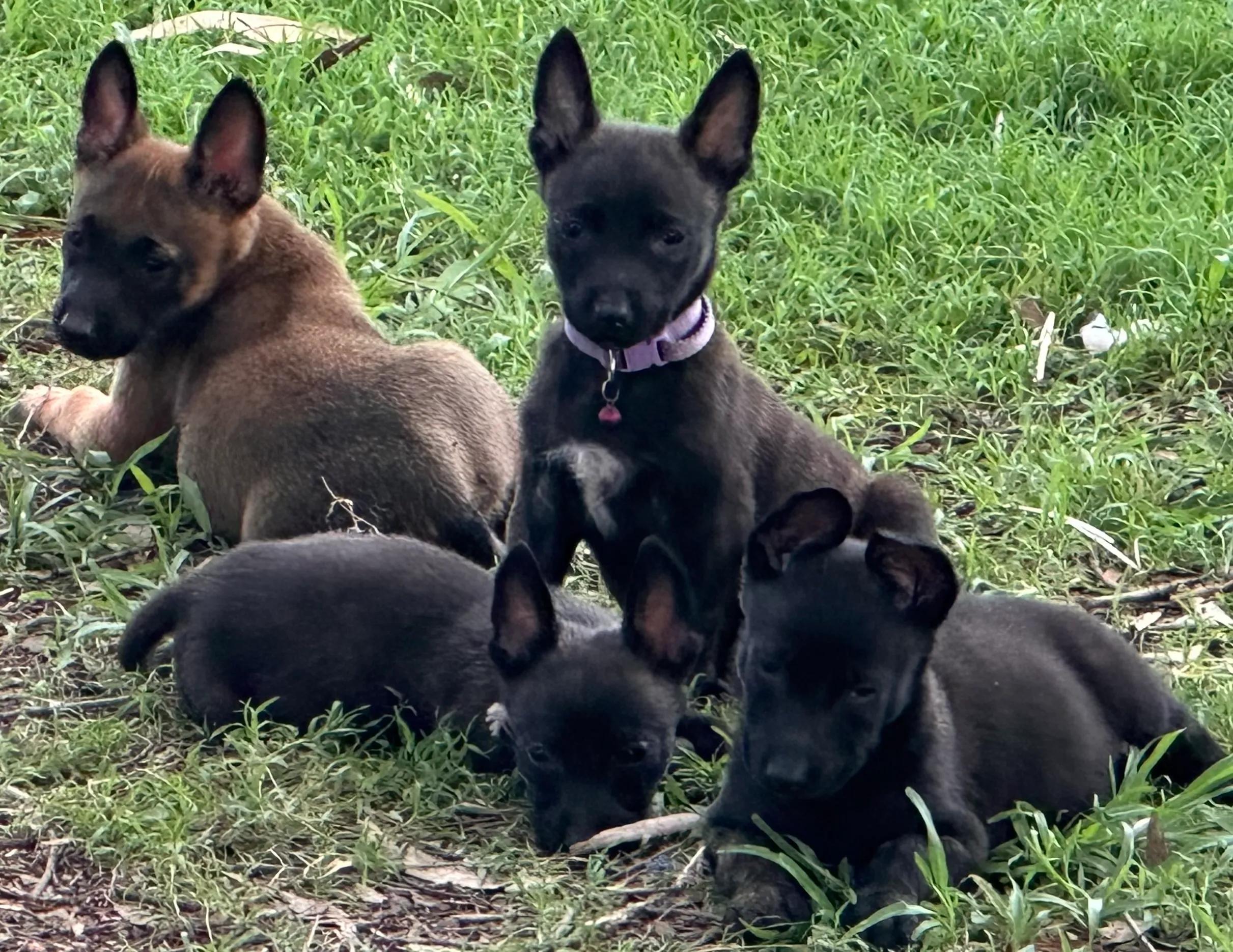
The raising of a dog for work is not about luck. It's about planning perseverance, understanding, and understanding the dog from inside out. Dutch shepherd puppies are well-known for their exceptional energy, fast thinking, their quick thinking, and their steady, calm temperament. What makes them stand out is the way their balance and drive grow together, and not independently. The balance they have created allows them to achieve with confidence, while remaining at the same time grounded and in daily life.
The growth doesn't happen overnight. It's shaped by careful genetic breeding and early development and exposure to the right conditions to the right conditions at the right moment.
Understanding Drive Without Losing Control
The term "drive" is commonly not understood. People think that it is an endless energy, or even aggression. However, driving in dutch shepherd puppies can refer to motivation. This is the need to study, grow, and be involved.
An appropriately-raised dog is curious instead of confused. It is eager to discover, yet still stays in touch with its owner. This equilibrium is evident within the first couple of weeks of existence.
The stimulation of the brain in early childhood plays an important role. The gentle handling of puppies helps them discover how to behave rather than react. This is the basis of controlled driving.
Balance Starts With Early Structure
It is not learned later. It's introduced on the very first day. Puppies raised in a controlled setting are taught to recognize boundaries from the beginning.
Regular feeding intervals provide predictable times for feeding. Playing with control builds confidence. The rest periods help develop self-regulation.
The structure is a way for dutch shepherd puppies to build up their resilience. They are taught that both excitement and peace can coexist. This is the thing that separates the dog that is stable from a dog that is overexcited.
Genetics Shape Mental Stability
The best training methods can't be able to replace genetic strength. Nerve strength and mental clarity are the result of genes.
Ethics-based breeding emphasizes temperament as well as physical capabilities. Children born to stable parents are more likely to be able to react in a manner that is balanced to the new environment, sounds and even the presence of other people.
This stability in genetics can be observed in Black long coat German shepherd puppies which have calm confidence and calmness are derived from deliberate lines of descent rather than random combinations.
Social Exposure Builds Confidence
It isn't about overburdening the puppy. It's all about the gradual introduction.
Puppy puppies benefit from the following:
Different floor textures
Sound effects from the environment are mild.
Controlled and innovative human interaction
Dogs that are calm and peaceful to serve as model dogs
This method teaches problem-solving. Dutch shepherd puppies start to evaluate circumstances instead of panicking and running to the next step.
The balance of exposure helps prevent the occurrence of fear-based responses later on in life.
Play That Teaches Control
It is a great teacher to play with. Game of chase, tug-of-war as well as basic obedience in games teach control of impulses.
The aim isn't the constant thrill. It is about engagement, by establishing clear stops and starts.
Puppy's learn that driving has directions. They learn the difference between turning on, and when to turn off. This is crucial to protect yourself, play or service-related work as well as family settings.
Physical Development Supports Mental Balance
The growing puppy requires an appropriate physical outlet. Stress can be caused by overexertion. Over-stimulation may cause stress. Short walks. Uninterrupted movement. Age-appropriate play.
They aid joints, coordination and self-confidence develop. Similar to Black long coat German shepherd puppies the balance is achieved by observing the stages of growth rather than speeding to maturation.
Handler Connection Shapes Behavior
A strong drive that is not connected can lead to independence. The balance comes from relationships. Dogs that have a strong bond with their caregivers naturally seek out direction. They develop faster. They can recover quicker from stress. A clear communication system creates confidence. The calmness of leadership helps the focus. This link is what translates naturally driven impulses into actions.
Training Progression Matters
The training should change as the puppy grows.
The early stages concentrate on:
Engagement
Recognition of names
Simple instructions
Learning based on rewards
As confidence increases, the amount of complexity grows. This multi-layered strategy lets dutch shepherd puppies stay well-balanced while their drives continue to develop.
Why Balance Matters Long Term
A dog that has a strong drive, but with no balance, burns out. Dogs with balance, but no drive is a dog without a purpose.
As they grow together this results in adaptability. They can be very active and then relax completely. They're able to guard, play while remaining peaceful within the family environment. This is the harmony the most experienced handlers appreciate most.
Conclusion
The strength in dutch shepherd puppies lies in the way their drive and coordination are developed in tandem. When the breeding ethic along with early structure as well as a careful approach to exposure the puppies become reliable and focused pet partners. This is evident in the way that VomSirius operates. VomSirius the working dogs are raised with stability for the long term with the goal of ensuring that they're suited to perform, but also for the rest of their lives.
FAQs
1- Do Dutch Shepherd puppies calm down as they age?
When they have a proper structure the energy of their dogs is able to be controlled.
2- When is driving first noticeable for puppies?
Typically, drive occurs between the ages of six and eight weeks old.
3- Do these pups adapt to families?
A balanced upbringing facilitates an easy integration of families.
4- Do you think early training is necessary to achieve the development of balance?
Early involvement can help assist natural instincts to be guided.